Peace as a Cover for War: Hryhoriy Perepylytsia on Kremlin Plans and the Threat to Poland
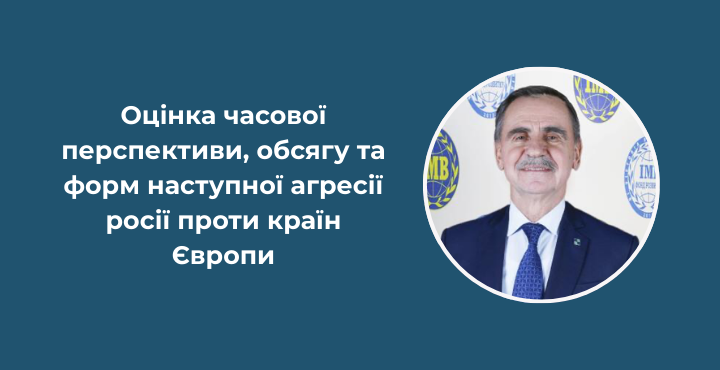
In an interview with the OBOZ channel, Hryhoriy Perepylytsia, Professor of the Department of International Relations and Foreign Policy, assessed the timeline, scale, and forms of Russia's potential future war aggression against European nations, particularly Poland.
Specifically, the professor emphasizes that the Russo-Ukrainian war marks the de facto beginning of World War III, and Putin's strategic goal is not merely the seizure of Ukraine, but the political capitulation of all of Europe. The expert warns that the Kremlin is using the current situation to prepare for the next stage of aggression, potentially targeting the Baltic states and Poland. The professor notes that any “peace” initiatives from Russia or China are merely a cover for regaining strength and further escalating the conflict with the West.
Significant attention in the conversation was devoted to analyzing the so-called “peace plan” and security guarantees. The professor expresses deep skepticism regarding the reliability of any agreements with Russia, drawing parallels with the Budapest Memorandum and noting Donald Trump's affinity for authoritarian leaders (such as Orbán and Putin). The scholar criticizes the idea of relying solely on NATO Article 5 without real defense mechanisms and the presence of allied troops. He cites the example of Poland, which is forced to build its own “East Shield” and seek alternative ways of protection, recognizing the existential threat.
A separate topic of discussion was the danger of holding elections or a referendum in Ukraine during the war, a scenario Western partners, particularly Donald Trump’s circle, may be pushing for. Hryhoriy Perepylytsia calls such a scenario an instrument of destabilization and chaos within the country, which plays into the hands of the Kremlin, noting that Russia is even promoting the idea of Ukrainian citizens voting in occupied territories and within Russia itself. According to his forecast, despite diplomatic talk of a ceasefire, hostilities will continue, as Russia is not interested in ending the war and will continue to test the unity of Europe and NATO.